MidAtlantic Horse Rescue

From AlexBrownRacing

Jump to: navigation, search

Contents

Basics

Web Address: Midatlantic Horse Rescue

Phone: 302-376-7297

E-mail: Bev@MidAtlanticHorseRescue.org

Paypal link http://www.midatlantichorserescue.org/how_to_help.htm#donate

Fundraising Drives on TWR:

Media stories: http://www.midatlantichorserescue.org/press.htm

Friends of Twilight

Description of Rescue

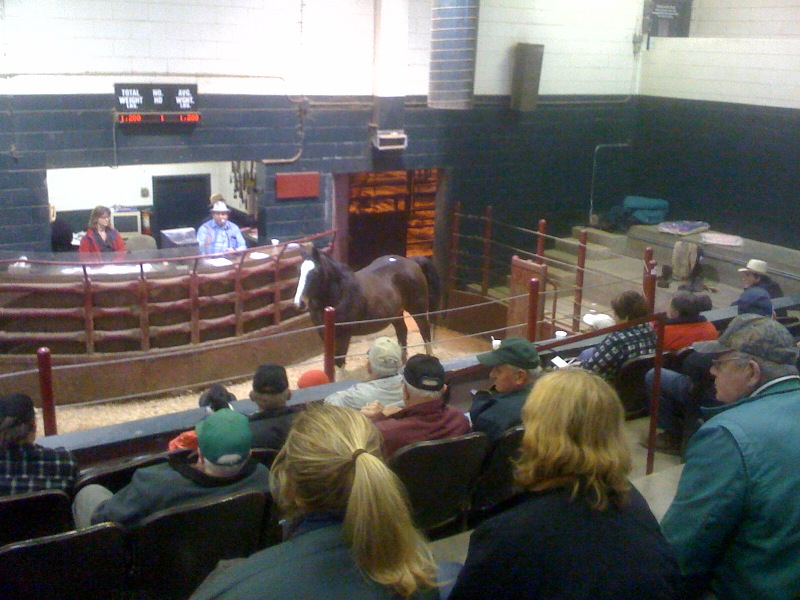
MidAtlantic Horse Rescue is a division of Paws for Life, Inc., a 501c3 non profit organization. We are located in Chesapeake City, MD. Founded in September 2002, we buy thoroughbred ex-racehorses from the New Holland (PA) Livestock Auction.

History

Ginny Suarez and Beverly Strauss met while training racehorses at Delaware Park in the late 1990’s. Both were lifelong horsewomen, had graduated from the upper levels of Pony Club, loved thoroughbreds, and had a strong commitment to rescued animals. Ginny founded Paws for Life, Inc., a 501c3 non-profit organization, in 1996. She pulled dogs slated for euthanasia at high kill shelters and placed them in homes. Beverly had been attending the New Holland auction since 1987, and was rescuing 2-3 thoroughbreds a year, retraining them, and finding them new homes.

After months of discussion and planning, Ginny and Bev decided to start MidAtlantic Horse Rescue as a division of Paws for Life, Inc. In September, 2002, there were close to 30 thoroughbreds at New Holland. Bev and Ginny started with $2000-, saved three horses, and officially launched MAHR. The first horse was adopted out two months later- coincidentally her registered name was “First By Far.”

Since then, MAHR has rescued over 250 thoroughbreds and placed them into homes. In addition, they have purchased an additional 250-300 horses for several other rescues, one that was started in PA by a former adopter!

MAHR routinely contacts breeders and former owners of rescued horses in an attempt to raise awareness about the plight of thoroughbreds when their racing careers are over. We have saved horses that have never earned a nickel as well as successful runners. Our most famous rescue, Native Heir, was two-time Virginia-bred Horse of the Year, winner of 14 stakes races and over $600,000-, but that was not enough to secure his safety. He now has a home for life, learning dressage with his proud new owner in MD.


Summary of Operations

We attend the New Holland (PA) livestock auction on a regular basis to buy thoroughbreds for the rescue. We either bid directly against the killer buyer or purchase the horses from him at the end of the sale. Horse prices vary depending on demand and the price of horsemeat, but usually range from $450- to $650- per horse. If the horse is purchased from the killer we have to typically pay an additional $100- per horse.

When looking at thoroughbreds, the first thing we look at is their eye, and then go from there. Horses must have suitable temperaments and must be sound enough to have useful second careers. Unfortunately, it is very difficult to place horses that are unsound for riding, and while we do occasionally get horses with problems that preclude them from riding careers, it takes much longer to find them homes- in the meantime, every week sound horses are going to kill. Once the horses are purchased, they are shipped from New Holland to the farm in Chesapeake City by a professional transporter.

Once at MAHR, horses are placed into quarantine for two weeks. Because of the nature of the sale, highly contagious upper respiratory ailments such as strangles are common, so we take our quarantine very seriously. If a horse gets sick during the quarantine period, it is then isolated from the group, and all are quarantined for another two weeks. During this quarantine period, horses are vaccinated, and seen by the farrier and the dentist. We also have our horses massaged, as they are often very fit and their muscles are sore. We find the massage relieves tightness and pain, and the horse becomes relaxed more quickly. The horses also start their evaluations under saddle to determine the type of rider that would best suit a particular horse, and to assess temperament and degree of calmness. Because most of our horses have been non-competitive at the racetrack, that carries through into their new lives, which is a plus!

Once the horse is out of quarantine and is ready for adoption, we place them on our website, as well as place ads in regional horse publications. Safety and suitability are of the utmost importance when placing our horses! If we feel that a rider is not experienced enough for a certain horse, or a certain horse will not be able to meet the adopter’s expectations, we will not adopt that horse to that home.

We do transfer ownership of our horses, unlike many rescues, for several reasons. Liability is a primary concern- if an adopted horse causes damage or injury years down the road, we will not be held accountable. Furthermore, we want our adopters to assume total responsibility for the horse, including caring for it through illness and/or old age.

There is also a legal precedent regarding the ownership of adopted horses- it belongs to the adopter, as determined in a court case in OH approximately 8 years ago. Finally, there are many people who will not go to a rescue that retains ownership because they want to own their horse!

Because we do transfer ownership, we are not able to place limitations on the future use of our horses- but we will not adopt them into homes where they may be raced. Most of our horses do not have their registration papers and cannot be raced without them. We also try to avoid homes where a mare will be bred, although there are a couple of cases of unsound mares that are being used for sport horse breeding. We do require that if the horse is ever resold, we are notified in writing of the new owner. If the current adopter is having trouble with the horse, we can intervene and either re-purchase the horse or have it donated to MAHR. We do adopt to professional show trainers who put time and training into our horses and then resell them into good homes for a significant profit. These horses are now typically valuable competition horses that will never be at risk of going to auction, and the trainers come back to us for another rescue horse.

Our adoption fees vary depending on several factors: age, size, movement, temperament, soundness, etc. The average range is $1800- to $2500- for a big young sound horse. This fee is significantly above kill prices, but below market value for a young thoroughbred sport prospect. It also represents a certain level of commitment on the part of the adopter. In the case of horses that are not sound enough for riding, the fees range from $1- to $750-, and those horses are adopted with a lifetime return policy, meaning they can never be resold but must be returned to MAHR in the event the adopter cannot keep them.

Periodically we see old ponies at the sale- ponies that have spent their lives showing and teaching children, but are no longer able to handle a heavy workload. We have purchased several of these ponies and placed them into homes as “first ponies” where they become much loved and useful pets.

Since our inception in September, 2002, our horses have gone on to successful careers as show, event, dressage, and pony club horses. They have also become trail horses and best friends for riders from ages 9 to 70. In 2006, we placed over 75 horses- a new record. As our horses are now out in the world proving what they can do and how much they have to offer, potential adopters are contacting us from across the country. We will adopt a horse to anywhere there is a good home, and every time we place a horse, we go rescue one or two to take its place!


Support

Our rescue efforts are greatly assisted by donations from the Friends of Twilight - you too can help!

Media

Bev's comments in The Rail From the comment section of the article Unwanted horses: yes and no by Alex Brown, published in The Rail (NY Times Triple Crown blog) 6/1/08

Saving Horses, One Thoroughbred at a Time GREAT article in the NY Times 5/17/08, by John Branch. Highlights Re-Run and Mid Atlantic Horse Rescue

Personal tools